
In the rapidly evolving industrial landscape of the Middle East, where oil and gas facilities, manufacturing plants and large-scale infrastructure projects dominate the economic horizon, equipment downtime represents more than just an operational inconvenience—it’s a significant financial drain that can cost organisations millions annually. For facility and maintenance managers across the UAE, Saudi Arabia and the broader GCC region, the growing adoption of AI- and IoT-enabled predictive maintenance solutions is enhancing asset reliability and reducing operational costs.
Consider this: unplanned downtime now costs Fortune Global 500 companies 11 percent of their yearly turnover, almost $1.5 trillion, whilst the average manufacturer faces 800 hours of unplanned machine maintenance and downtime a year. In the Middle East’s asset-intensive industries, these figures translate to substantial losses that directly impact profitability, operational efficiency and competitive positioning.
Enterprise Asset Management (EAM) has emerged as a critical solution for organisations seeking to transform their maintenance operations, extend asset lifecycles and achieve measurable improvements in uptime and efficiency. This comprehensive guide explores how facility and maintenance managers in the Middle East can leverage EAM systems to address region-specific challenges whilst maximising the value of their physical assets.
Understanding Enterprise Asset Management in the Middle East Context
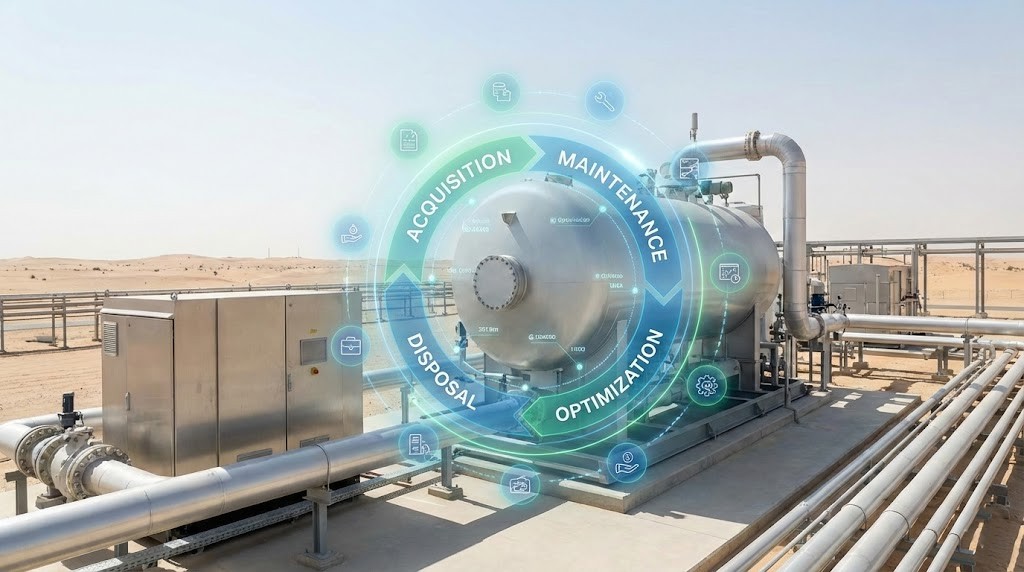
Enterprise Asset Management refers to the comprehensive approach of managing an organisation’s physical assets throughout their entire lifecycle—from acquisition and deployment to maintenance, optimisation and eventual disposal. EAM solutions help manufacturers optimise asset performance, reduce cost and prevent unplanned downtime, making them essential tools for maintaining competitive advantage.
The Middle East presents unique challenges and opportunities for EAM implementation. The Middle East and Africa contributes 10 percent of the EAM software market, with Saudi Arabia, the UAE and South Africa being prominent players. What makes the region particularly interesting is that approximately 60 percent of demand in the region comes from the oil and gas and utilities sectors, where asset-intensive operations require advanced management solutions.
For facility managers operating in harsh desert climates, managing multiple high-value facilities and coordinating maintenance across distributed operations, EAM systems provide the visibility, control and analytical capabilities needed to make informed decisions that protect asset investments and ensure operational continuity.
The True Cost of Downtime: Why Middle East Facilities Cannot Afford to Wait

Understanding the financial impact of equipment downtime is crucial for building the business case for EAM implementation. The statistics paint a sobering picture that should concern every facility and maintenance manager.
Recent research reveals that the annual cost of downtime has risen to $129 million per facility among Fortune Global 500 companies, representing a 65 percent increase from 2019-20. The impact varies significantly by industry, with the cost of a lost hour ranging dramatically from an average of $39,000 to more than $2 million.
For the Middle East’s dominant sectors, the figures are particularly striking. Oil and Gas operations have experienced dramatic increases, with hourly downtime costs more than doubling in just two years to almost $500,000. Manufacturing facilities aren’t faring much better, with FMCG and CPG manufacturers losing 25 hours a month to unplanned downtime at the cost of $23,600 per hour.
Beyond direct financial losses, downtime creates cascading effects throughout the organisation. Unplanned downtime results in loss of customer trust and productivity, with 46 percent of companies unable to deliver services to customers and 37 percent losing production time on critical assets. In markets where reputation and reliability are paramount—as they are throughout the GCC—these secondary impacts can be just as damaging as the immediate financial costs.
The challenge is compounded by the fact that most companies significantly underestimate their true downtime, and over 80 percent of companies are unable to calculate their true downtime costs correctly. This lack of visibility prevents organisations from making informed decisions about maintenance investments and asset management strategies.
For resources on calculating your organisation’s true downtime costs and building a comprehensive asset management strategy, visit our resources section.

Regional Challenges Facing Middle East Facility Managers
Facility and maintenance managers in the Middle East face a unique combination of challenges that make effective asset management both more difficult and more critical than in many other regions.
Harsh Environmental Conditions
The extreme heat, sand and humidity prevalent across much of the Middle East accelerate equipment wear and increase maintenance requirements. Assets that might perform reliably for years in temperate climates may require more frequent servicing and earlier replacement in desert environments. EAM systems help managers track environmental impact on assets, schedule preventive maintenance accordingly and plan for accelerated depreciation.
Diverse Asset
Portfolios
Many organisations in the region manage heterogeneous asset bases spanning multiple facilities, technologies and vintages. From state-of-the-art production equipment to legacy systems that must remain operational, maintenance teams must coordinate care for diverse assets with varying requirements, parts availability and technical documentation. EAM provides the centralised repository and management capabilities needed to handle this complexity.
Skills Availability and Retention
The Middle East’s dynamic labour market, with significant expatriate workforces and ongoing nationalisation initiatives, creates challenges for maintaining institutional knowledge about assets and maintenance procedures. When experienced technicians depart, critical knowledge often goes with them. EAM systems capture and preserve this knowledge through standardised procedures, maintenance histories and troubleshooting guides.
Regulatory Compliance and Safety Requirements
Organisations must navigate complex regulatory landscapes covering environmental protection, workplace safety and industry-specific standards. EAM systems provide the documentation, audit trails and compliance reporting capabilities needed to demonstrate adherence to these requirements whilst supporting continuous improvement in safety performance.
Infrastructure Development Pressures
The Middle East’s ambitious infrastructure development programmes create pressure on existing facilities to maintain high performance whilst resources and attention are directed toward expansion projects. EAM helps organisations optimise existing assets even whilst planning for growth, ensuring current operations don’t suffer in pursuit of future capabilities.
How EAM Systems Address Downtime and Efficiency Challenges
Modern EAM solutions provide a comprehensive toolkit for addressing the operational challenges facing Middle East facility managers. Understanding these capabilities is essential for selecting and implementing the right solution for your organisation.

Predictive Maintenance Capabilities
Predictive maintenance, which uses artificial intelligence to analyse data on factory machine health to forecast equipment failures and schedule maintenance, represents a fundamental shift from reactive or time-based maintenance approaches. In terms of unplanned downtime associated with each approach, reactive approaches averaged 8.43 percent annually, with 7.96 percent for planned and 5.42 percent for data and monitoring approaches.
For Middle East facilities, predictive maintenance delivers particularly strong returns. Sixty-seven percent of automotive companies and 72 percent of FMCG companies have made predictive maintenance a strategic objective, recognising its potential to dramatically reduce unplanned downtime whilst optimising maintenance spending.
Real-Time Asset Monitoring and IoT Integration
The convergence of EAM with Internet of Things (IoT) technologies enables continuous monitoring of asset health and performance. Sensors installed on critical equipment transmit real-time data on vibration, temperature, pressure and other key parameters. EAM systems process this data to identify anomalies, trigger alerts and automatically schedule maintenance interventions before failures occur.
This capability is particularly valuable in the Middle East’s extreme conditions, where equipment can deteriorate rapidly and unexpectedly. Real-time monitoring provides early warning of problems, enabling proactive intervention before minor issues escalate into major failures.
Work Order Management and Mobile Access
Effective work order management ensures maintenance activities are planned, prioritised, executed and documented systematically. Modern EAM platforms provide mobile access, enabling technicians to receive assignments, access equipment documentation, record work performed and update asset records directly from the field. This eliminates paperwork delays, improves data accuracy and accelerates maintenance response times.
Inventory and Spare Parts Optimisation
Balancing spare parts inventory represents a constant challenge—too little inventory risks extended downtime waiting for parts, whilst excess inventory ties up capital and warehouse space. EAM systems analyse maintenance histories and equipment criticality to optimise inventory levels, automate reordering and ensure critical parts are available when needed.
For organisations managing multiple sites across the Middle East, EAM provides visibility into inventory across all locations, enabling parts sharing and reducing overall inventory requirements.
Asset Lifecycle Management
From procurement through disposal, EAM systems track assets’ complete lifecycles. This visibility enables data-driven decisions about repairs versus replacement, helps plan capital expenditure and ensures assets are retired at optimal times. For budget-conscious facility managers, this lifecycle perspective is essential for maximising return on asset investments.
Compliance and Audit Trail Documentation
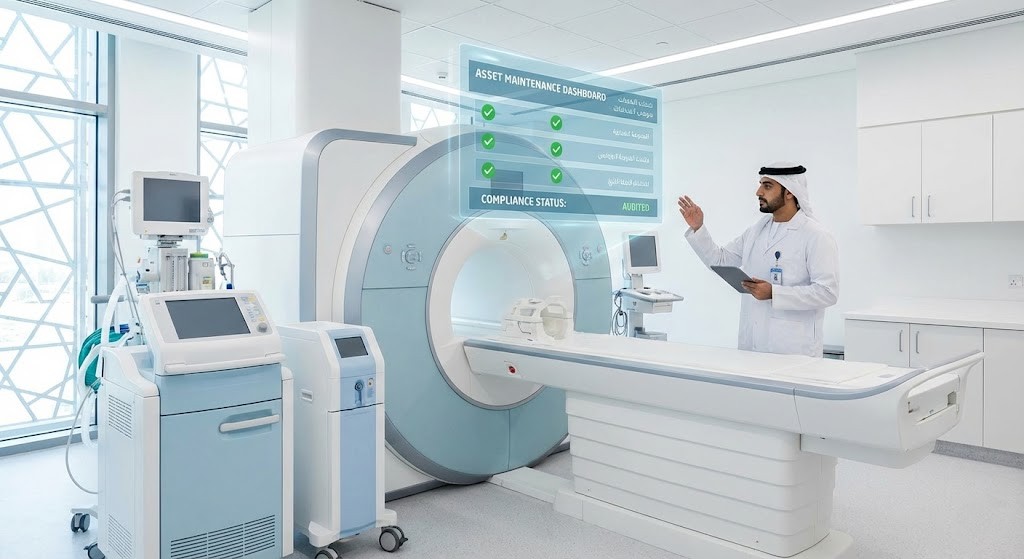
EAM systems automatically document all maintenance activities, creating comprehensive audit trails that demonstrate compliance with regulatory requirements and internal standards. This capability reduces administrative burden whilst providing the documentation needed for certifications, audits and incident investigations.
Industry-Specific Applications in the Middle East
The Middle East’s economic diversity means EAM solutions must adapt to varied industry requirements. Understanding these applications helps facility managers identify opportunities specific to their sectors.

Oil and Gas Operations
The region’s oil and gas sector faces unique asset management challenges including remote facilities, hazardous operating environments and critical safety requirements. EAM systems help operators maintain offshore platforms, refinery equipment and pipeline infrastructure whilst ensuring compliance with stringent safety regulations.
Oil and Gas producers suffer 32 hours of unplanned downtime each month, on average, at the cost of $220,000 per hour, amounting to $84 million per facility. The potential for EAM-enabled improvements in this sector is substantial.

Manufacturing and Production Facilities
From automotive assembly to food and beverage production, manufacturing operations throughout the Middle East rely on EAM to maintain complex production equipment, manage quality systems and optimise production schedules. The integration of EAM with Manufacturing Execution Systems (MES) provides comprehensive visibility from asset health through production output.
Healthcare Facilities
Hospitals and medical centres rely on critical assets including diagnostic equipment, life support systems and environmental controls. EAM helps healthcare facilities maintain regulatory compliance, ensure equipment availability and manage the specialised maintenance requirements of medical devices.
For insights on how WMS supports organisations across these industries with tailored EAM implementations, explore our industry solutions.
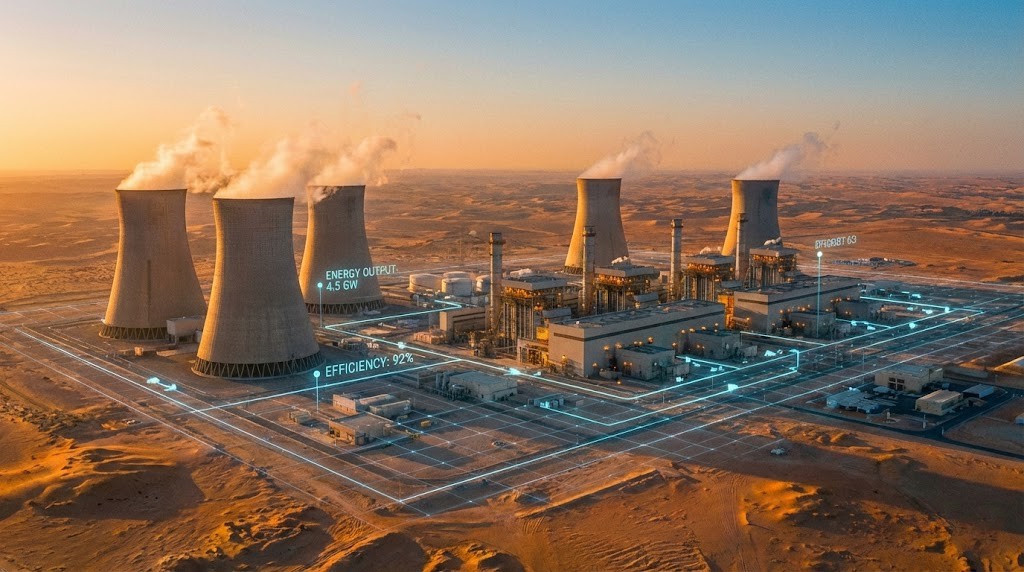
Utilities and Power Generation
Power generation facilities, water treatment plants and desalination operations form critical infrastructure throughout the region. These facilities require exceptionally high reliability, as failures can affect entire communities. EAM supports maintenance planning that ensures continuous operation whilst managing the unique challenges of large-scale infrastructure assets.

Commercial Real Estate and Facilities Management
From automotive assembly to food and beverage production, manufacturing operations throughout the Middle East rely on EAM to maintain complex production equipment, manage quality systems and optimise production schedules. The integration of EAM with Manufacturing Execution Systems (MES) provides comprehensive visibility from asset health through production output.

Implementing EAM Successfully: Best Practices for Middle East Organisations
Successful EAM implementation requires more than selecting the right software—it demands careful planning, stakeholder engagement and attention to organisational change management. These best practices help ensure your EAM initiative delivers expected returns.
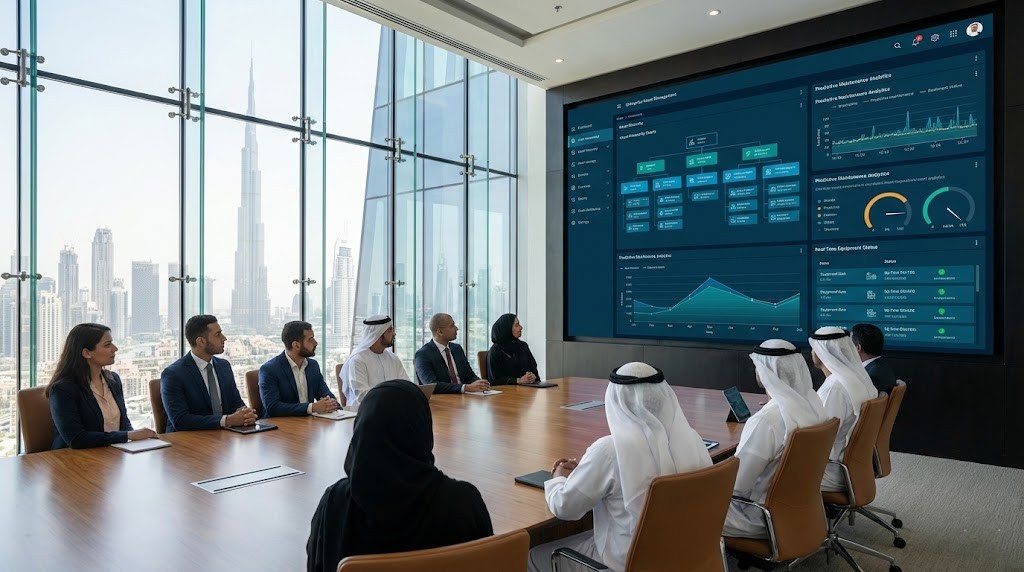
Start with Clear Objectives and Success Metrics
Define what success looks like before beginning implementation. Whether your priorities are reducing downtime, cutting maintenance costs, improving safety compliance or extending asset lifecycles, establish baseline measurements and targets. These metrics guide implementation decisions and enable you to demonstrate ROI to stakeholders.
Prioritise Data Quality and Asset Hierarchy
EAM systems are only as good as the data they contain. Invest time in creating accurate asset hierarchies, documenting equipment specifications and capturing maintenance histories. This foundation supports all other EAM capabilities and is essential for generating reliable analytics and recommendations.
Engage Maintenance Teams Early and Often
The technicians and engineers who will use the EAM system daily must be involved from the beginning. Their input improves system configuration, identifies practical workflows and builds buy-in. Resistance from maintenance teams can derail even technically sound implementations.
Integrate with Existing Systems
EAM delivers maximum value when integrated with other business systems including Enterprise Resource Planning (ERP), Computerised Maintenance Management Systems (CMMS), Building Management Systems (BMS) and operational systems. Plan these integrations early to ensure seamless data flow and comprehensive visibility.
Invest in Training and Change Management
Technology alone doesn’t transform maintenance operations—people do. Provide comprehensive training not just on system functionality but on the principles of asset management and predictive maintenance. Help teams understand how EAM changes their work and why these changes benefit them and the organisation.
Leverage Cloud and Mobile Technologies
The demand for cloud-based enterprise asset management components is projected to capture a significant enterprise asset management market share of 65.5 percent. Cloud deployment offers advantages including lower upfront costs, easier updates and anywhere access—particularly valuable for organisations managing distributed operations across the Middle East.
The ROI of EAM: Building the Business Case
For facility managers seeking approval for EAM investments, a compelling ROI calculation is essential. Understanding the sources of value helps build business cases that resonate with financial stakeholders.

Reduced Unplanned Downtime
The most immediate and quantifiable benefit comes from reducing unplanned downtime. Calculate current downtime costs using your facility’s production value per hour, then estimate the reduction achievable through predictive maintenance. Fixing before failure reduces the need for replacement parts by up to 40 percent, reducing wastage and carbon usage.
Extended Asset Lifecycles
By optimising maintenance and preventing premature failures, EAM extends asset useful life. Calculate the deferred capital expenditure resulting from delaying major equipment replacements by even one or two years.
Reduced Maintenance Costs
Predictive maintenance reduces both emergency repair costs (which often involve premium pricing for parts and labour) and unnecessary preventive maintenance on assets that don’t need service. Track total maintenance spending as a percentage of asset replacement value to quantify these savings.
Improved Labour Productivity
EAM streamlines work order management, eliminates paperwork and reduces time spent searching for information. These efficiency gains enable maintenance teams to accomplish more with existing resources or potentially reduce staffing requirements.
Energy Efficiency Improvements
Well-maintained assets typically operate more efficiently, consuming less energy. In regions with high energy costs or carbon reduction commitments, these savings can be substantial.
Regulatory Compliance and Risk Reduction
Whilst harder to quantify, the value of avoiding regulatory fines, production shutdowns or safety incidents should be included in ROI calculations. Even a single major incident prevented can justify significant EAM investment.
Inventory Optimisation
Reducing spare parts inventory whilst improving parts availability frees working capital. Calculate the value of inventory reductions enabled by better demand forecasting and centralised inventory visibility.
Selecting the Right EAM Solution for Your Organisation
The Middle East market offers numerous EAM vendors and solutions, from global enterprise platforms to regional specialists. Facility managers must evaluate options carefully to identify the best fit for their organisations’ needs, resources and constraints.

Key Selection Criteria
Functional Capabilities: Does the solution support your specific asset types, maintenance strategies and industry requirements? Ensure core functionality aligns with your operational needs before evaluating advanced features.
Scalability: Can the solution grow with your organisation, supporting additional sites, assets and users without performance degradation or architectural limitations?
Integration Capabilities: How easily does the solution connect with your existing ERP, CMMS, BMS and operational systems? Strong integration capabilities are essential for comprehensive visibility and streamlined workflows.
Mobile Functionality: Do technicians have full access to the system from mobile devices? Mobile access is increasingly essential for effective field operations.
Analytics and Reporting: Does the solution provide the dashboards, reports and predictive analytics capabilities you need to make informed decisions?
Vendor Support and Local Presence: Is the vendor established in the Middle East with local implementation partners, support resources and ongoing development commitment to the region?
Total Cost of Ownership: Beyond licence fees, consider implementation costs, training requirements, infrastructure needs and ongoing support and maintenance costs.
User Experience: Will your teams find the system intuitive and efficient? Poor user experience drives workarounds and undermines adoption.
The Future of EAM in the Middle East
The enterprise asset management market in Middle East and Africa is expected to reach a projected revenue of $667.3 million by 2030, with a compound annual growth rate of 16.2 percent. This growth reflects both increasing adoption and evolving capabilities that promise to further transform asset management practices.

Artificial Intelligence and Machine Learning
AI-powered EAM systems will increasingly move from detecting patterns in historical data to prescribing specific maintenance actions and autonomously scheduling work. Machine learning algorithms will continuously improve prediction accuracy, learning from every maintenance event and asset failure.
Digital Twins and Simulation
Digital twin technology creates virtual replicas of physical assets, enabling simulation of different operating conditions, maintenance strategies and what-if scenarios. This capability supports better decision-making about asset deployment, maintenance timing and capital investment.
Augmented Reality for Maintenance
AR applications will overlay maintenance instructions, parts identification and troubleshooting guidance onto technicians’ views of equipment through smart glasses or mobile devices. This technology accelerates training, reduces errors and enables remote expertise.
Sustainability and Circular Economy Integration
EAM systems will increasingly incorporate sustainability metrics, tracking carbon footprints, energy consumption and circular economy opportunities. As environmental considerations become more important in the Middle East, these capabilities will support both regulatory compliance and corporate sustainability commitments.
Conclusion: Taking the Next Step Toward Operational Excellence

For facility and maintenance managers across the Middle East, the imperative is clear: equipment downtime is too costly to manage with reactive maintenance and manual processes. Enterprise Asset Management provides the comprehensive capabilities needed to transform maintenance operations, protect asset investments and achieve measurable improvements in uptime, efficiency and cost control.
The journey toward EAM-enabled operational excellence begins with understanding your current challenges, defining clear objectives and selecting the right solution for your organisation. While implementation requires investment and commitment, the returns—measured in reduced downtime, extended asset life and improved operational efficiency—justify the effort many times over.
The Middle East’s unique combination of harsh operating environments, diverse industrial base and ambitious growth plans makes effective asset management not just a operational improvement opportunity but a competitive necessity. Organisations that implement robust EAM capabilities position themselves to maximise returns from existing assets, support ambitious expansion plans and maintain operational excellence regardless of market conditions.
Whether you’re managing oil and gas facilities, manufacturing operations, commercial real estate or utilities infrastructure, the principles remain the same: understand your assets, predict problems before they occur, optimise maintenance activities and continuously improve. EAM systems provide the platform for turning these principles into practice.
Ready to transform your asset management capabilities and reduce costly downtime? Visit WMS to discover how our expertise in EAM implementation, enterprise technology integration and operational transformation can help your organisation achieve new levels of efficiency and reliability. Our team brings deep experience in Middle East operating environments, ensuring solutions that work in real-world conditions whilst delivering measurable business results.
Don't let unplanned downtime continue eroding your profitability. Take the first step toward predictive, proactive asset management today.
Frequently Asked Questions (FAQs)
What is Enterprise Asset Management (EAM)?
Enterprise Asset Management (EAM) is a comprehensive system used to manage physical assets throughout their lifecycle — from procurement and installation to maintenance, optimization, and disposal. It helps organizations improve asset reliability, reduce downtime, and control operational costs.
Why is EAM important for Middle East industries?
Middle East industries such as oil & gas, utilities, manufacturing, and infrastructure operate in harsh environmental conditions. EAM helps manage asset wear caused by heat, sand, and humidity while improving uptime, compliance, and operational efficiency.
How does EAM reduce unplanned downtime?
EAM systems use predictive maintenance, real-time monitoring, and IoT integration to detect early warning signs of equipment failure. This allows maintenance teams to fix issues before breakdowns occur, significantly reducing costly unplanned downtime.
What industries in the GCC benefit most from EAM?
Industries that benefit most include:
Oil & Gas
Utilities & Power Generation
Manufacturing
Commercial Real Estate
Healthcare Facilities
Infrastructure & Transportation
Asset-intensive sectors see the highest ROI from EAM implementation.
What is the difference between EAM and CMMS?
While CMMS (Computerized Maintenance Management Systems) focuses primarily on maintenance tasks and work orders, EAM provides a broader asset lifecycle management approach, including procurement, compliance, performance analytics, and capital planning.
Can EAM integrate with IoT and ERP systems?
Yes. Modern EAM platforms integrate with IoT sensors for real-time asset monitoring and connect with ERP systems for financial tracking, procurement, and inventory management. This creates a unified operational ecosystem.
How does EAM improve compliance and safety?
EAM systems maintain detailed maintenance records, audit trails, inspection logs, and regulatory documentation. This helps organizations meet safety standards, environmental regulations, and industry compliance requirements across the UAE and GCC.
What ROI can organizations expect from EAM implementation?
Organizations typically see ROI through:
Reduced downtime costs
Extended asset life
Lower maintenance expenses
Optimized spare parts inventory
Improved labor productivity
The exact ROI depends on asset criticality and operational scale.
Is cloud-based EAM suitable for Middle East organizations?
Yes. Cloud-based EAM solutions are highly suitable for distributed facilities across the GCC. They offer scalability, lower upfront infrastructure costs, real-time access, and easier system updates.

Mahitab Maher
SAP professional specializing in SAP products, helping companies turn complex processes into smooth, scalable operations.
Enterprise Asset Management
EAM Middle East
facility management UAE
predictive maintenance
asset management Dubai
reduce downtime
maintenance management
asset lifecycle management
GCC facility management
industrial IoT


Downtime reduction is critical for asset-intensive industries in the Middle East. This article highlights practical strategies effectively.
Thank you, Omar. Effective EAM strategies can significantly improve reliability and operational efficiency across asset-heavy sectors.
The regional focus in this discussion makes it highly relevant. Infrastructure-heavy sectors in the GCC can benefit significantly from structured EAM adoption.
Thank you, Khaled. Addressing regional operational requirements is key to successful EAM implementation. We appreciate your perspective.
Reducing downtime is a top priority for asset-intensive industries in the Middle East. This article clearly explains how EAM contributes to operational stability.
Thank you, Daniel. Effective EAM strategies are essential for improving reliability and minimizing operational disruptions. We’re glad the insights were valuable.
Downtime reduction and asset lifecycle visibility are very important topics. This guide provides a clear overview of both.
Thank you, Rachel. Improving asset visibility and lifecycle management is a key benefit of well-implemented EAM solutions.
I appreciate the regional perspective in this post. Infrastructure projects in the GCC require strong asset management frameworks.
Thank you, Ahmed. Addressing regional infrastructure and operational requirements is essential for successful EAM implementation in the GCC.
This article explains very well how EAM helps organizations reduce downtime. Asset-heavy industries in the Middle East can definitely benefit from these strategies.
Thank you, Lucas. You’re absolutely right—effective EAM strategies can significantly improve reliability and operational performance across asset-intensive sectors.
Interesting perspective. Asset tracking and maintenance planning are things many companies still struggle with.
Absolutely, Laura. Getting visibility into assets and maintenance schedules can make a huge difference operationally.
Downtime is a big issue in our industry, so this topic really caught my attention. Good overview of how EAM can actually make a difference.
Thanks for sharing that, Ahmed. Reducing downtime is exactly where strong EAM practices can bring real value.
Downtime is always a challenge in asset-heavy industries. Good points about how better asset management can help.
Thanks Omar. Even small improvements in asset management can make a big difference over time.